Buying guide · Styles
Chobi vs Heriz: two ways to furnish a room
One whispers, one speaks up. A guide to the two styles our customers ask about most: where they come from, how they are made, and where each one belongs.
By A1 Rugs · · 7 min read
Two traditions, two temperaments
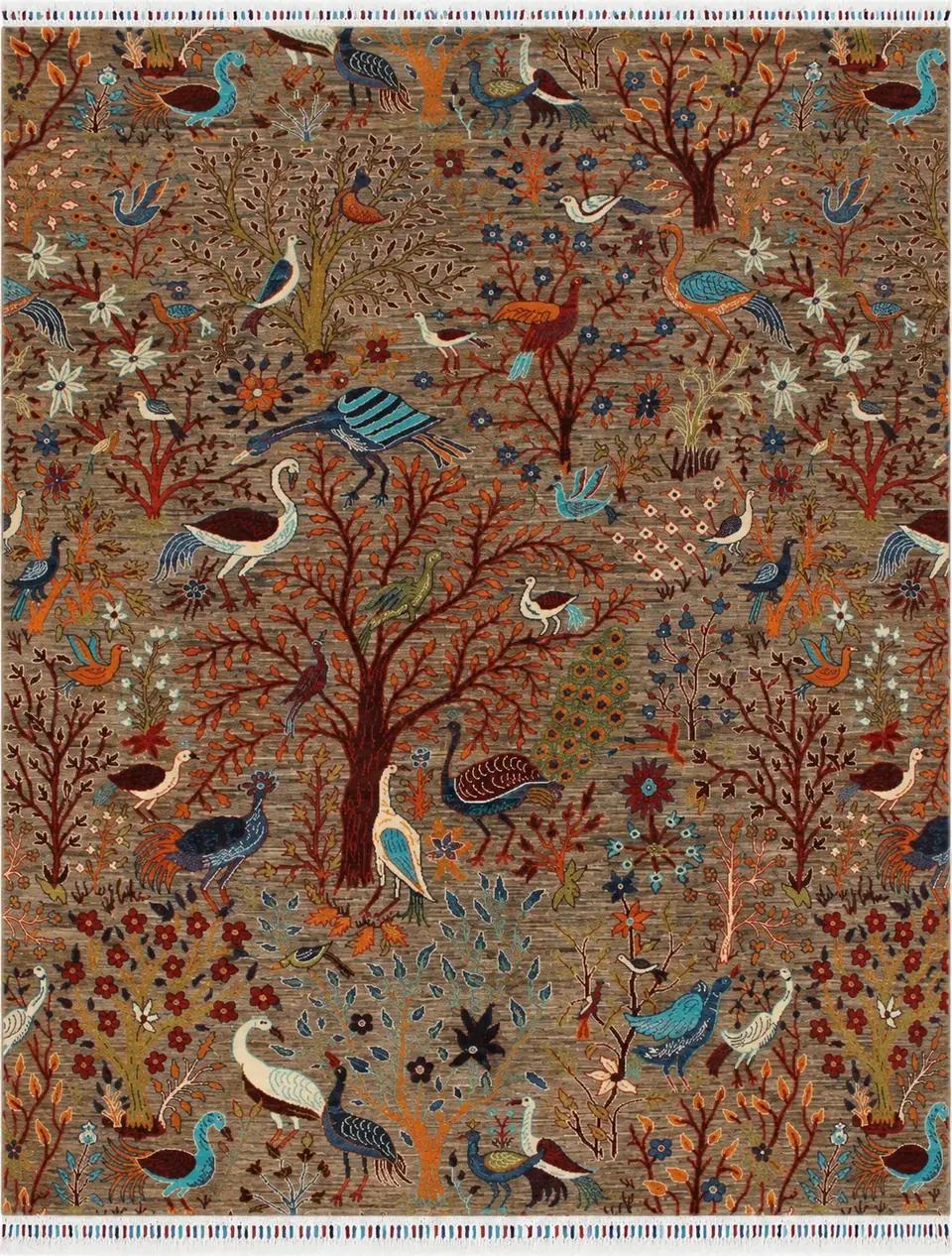
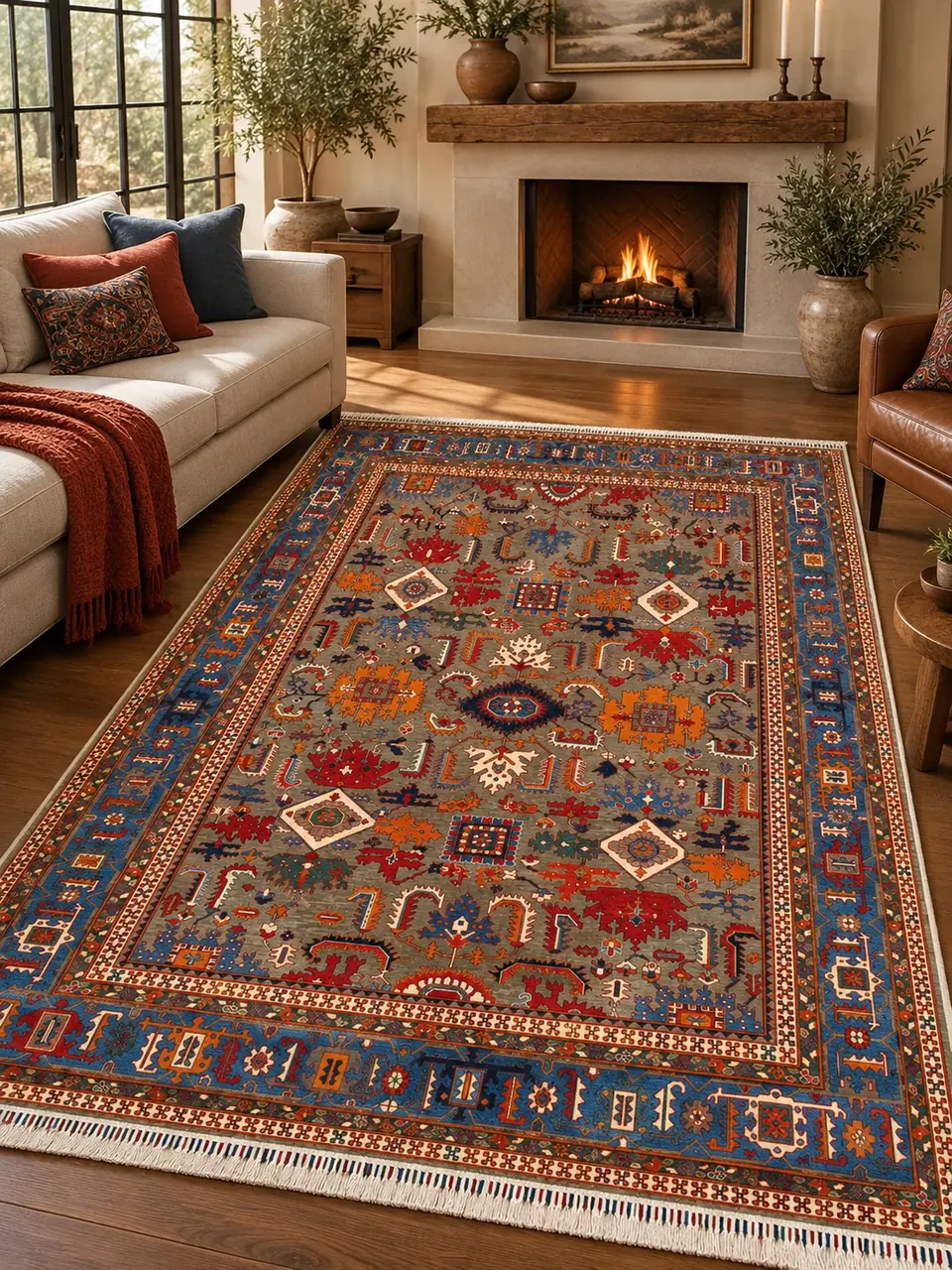
Put a Chobi and a Heriz side by side and they barely look related. Both are hand-knotted wool rugs from the broad Persian weaving tradition, both can last a lifetime, and both suit contemporary homes. But they solve different problems. A Chobi settles a room down. A Heriz gives it a spine.
Knowing a little of where each comes from makes it much easier to see which one your room needs.
Chobi: a Victorian idea, revived in Peshawar
The story starts in the 1880s, when Ziegler and Co., a trading firm based in Manchester, set up rug workshops around Sultanabad, today's Arak, in western Iran. Ziegler was designing for English and American drawing rooms, so it asked weavers to enlarge and loosen traditional Persian floral patterns and to soften the palette. The results, often called Ziegler or Sultanabad rugs, became some of the most sought-after decorative carpets of the period.
A century later, that look was revived. From the 1980s, Afghan weavers, many working in and around Peshawar in Pakistan, began producing rugs in the Ziegler manner using hand-spun wool and natural dyes. In the trade they are called Peshawar, Ziegler-style or Chobi rugs. Chobi comes from the Persian word for wood, a reference to the plant and bark dyes behind their earthy colour. Today the same rugs are woven in Afghanistan as well as Pakistan, and they are the backbone of our Chobi garden collection.
Most Chobi rugs are given a gentle wash after weaving. It softens the wool, brings up its natural lustre and knocks the colours back a little, which is a big part of why a new Chobi can look like it has been in the family for years.
A Chobi settles a room down. A Heriz gives it a spine.
Heriz: the mountain workhorse
Heriz is a district of villages on the slopes of Mount Sabalan in northwest Iran, near Tabriz. Weavers there have produced rugs for well over a century, many for export, and the name now covers both the rugs of the region and the design language they made famous.
That language is easy to spot: a large central medallion, angular corner pieces, and flowers and vines redrawn as straight lines and right angles. City workshops in Tabriz worked from detailed paper cartoons. Village weavers in Heriz typically worked from memory, translating curved court designs into geometry, and the slight irregularities that result are part of the appeal. Older, finer examples are sometimes sold under the trade name Serapi.
Heriz rugs earned a reputation as some of the toughest rugs made, thanks to thick local wool and a firm, dense build. Today their designs are woven in many places, including Afghanistan; the Heriz-style pieces in our Heriz and medallion collection are Afghan-made and listed with their origin and construction.
Palette
Colour is where the two styles part ways most clearly.
- Chobi works in a narrow, warm range: ivory, sand, camel, rust, sage, faded blue and tobacco brown. Contrast is low, so the pattern reads as texture from across the room and only resolves into flowers and birds as you get close.
- Heriz is built on contrast: brick and madder reds, deep indigo, ivory, and touches of copper, gold and green. The medallion is meant to be seen from the doorway.
Both rely on natural dyes, so both show abrash, the gentle bands of colour variation where one batch of hand-dyed wool ran out and another began. In a Chobi it adds depth. In a Heriz it keeps the strong colours from feeling flat.
Knots and density
Knot density, measured in knots per square inch, is often treated as a quality score. For these two styles it is better thought of as a design choice. Neither is about extreme fineness.
Chobi rugs are usually woven at a moderate density, often somewhere around 80 to 150 knots per square inch. Hand-spun wool is thick and uneven, which gives the rug its character and limits how fine the knotting can go. Traditional Heriz rugs are coarser still, sometimes well under 80 knots per square inch, but they are tightly packed and heavily built. Bold geometry does not need fine knotting to look sharp, and the heft is part of what makes them so durable.
Two practical points matter more than the number. First, look at the wool: a lustrous, springy pile will outwear a dull, dry one at any density. Second, look at the back. Clear, even knots and a crisp pattern on the reverse tell you more about craftsmanship than any figure on a label.
Which rooms suit each
Where a Chobi shines
Bedrooms, where you want calm. Living rooms with pale walls, oak floors and linen upholstery. Studies and reading rooms. Any room that already has a strong focal point, like art, a fireplace or a view, and needs a rug that supports it rather than competing. Chobi also layers well with contemporary furniture because none of its colours fight for attention.
Where a Heriz shines
Dining rooms, where the geometry stays legible under a table and chairs and the colours forgive the occasional spill. Family rooms with heavy traffic. Libraries and dens with dark wood, leather and brass. Craftsman and older Seattle homes, where a Heriz looks as if it came with the house. It is also the better choice for a large, sparsely furnished room that needs a centre of gravity.
How to choose
Ask what the room is missing. If it feels busy, cold or hard-edged, a Chobi will soften it. If it feels vague, beige or unanchored, a Heriz will organise it. If you are still split, look at what you already own: Chobi sits naturally with light woods and natural textiles, Heriz with darker woods and saturated colour.
And if you would rather see both in person, visit the Seattle showroom by appointment, or send us a photo of the room. We are happy to tell you which one we would choose, and why.
Shop the styles
Quiet garden or bold medallion.
 Oversize
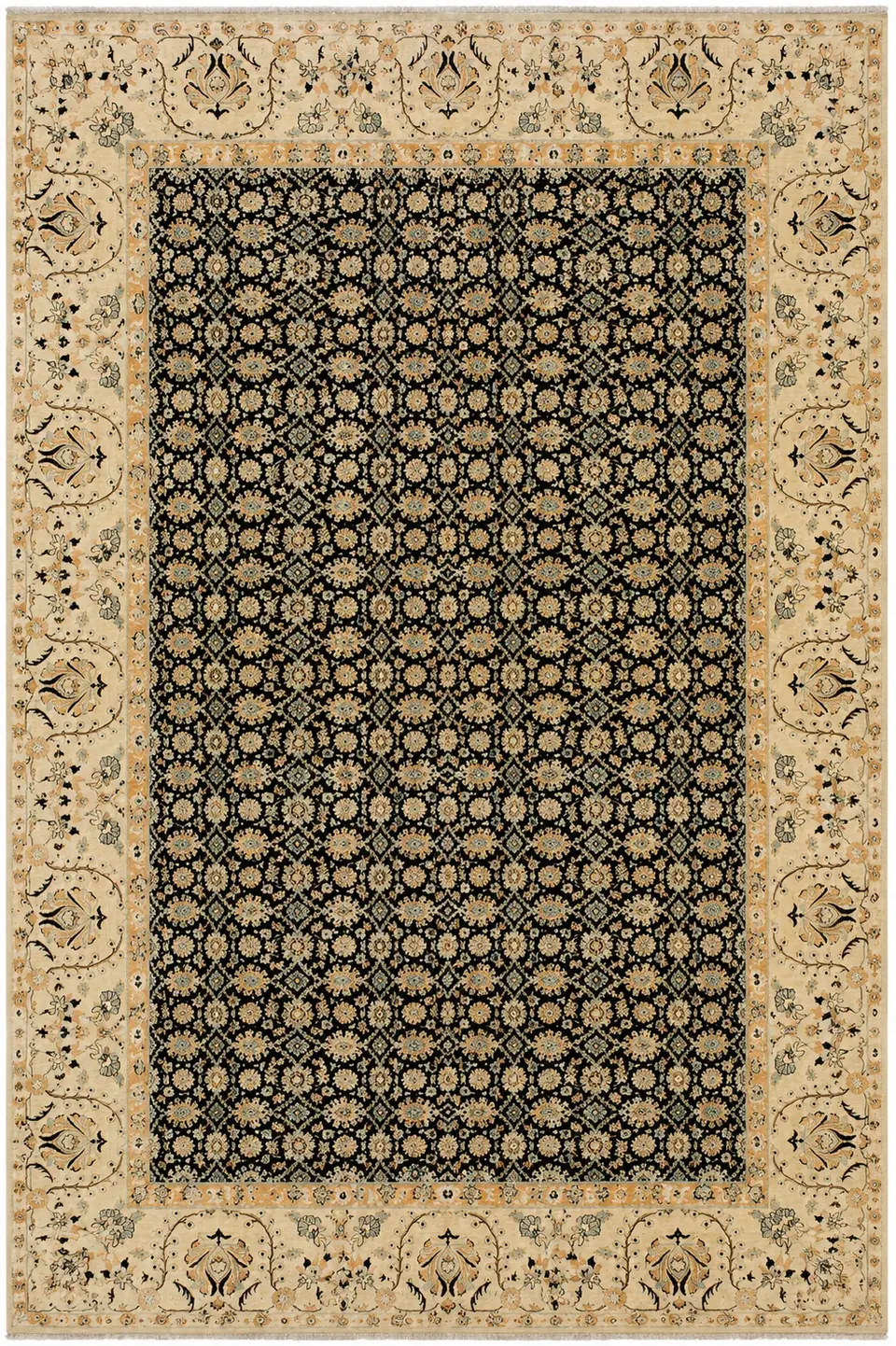
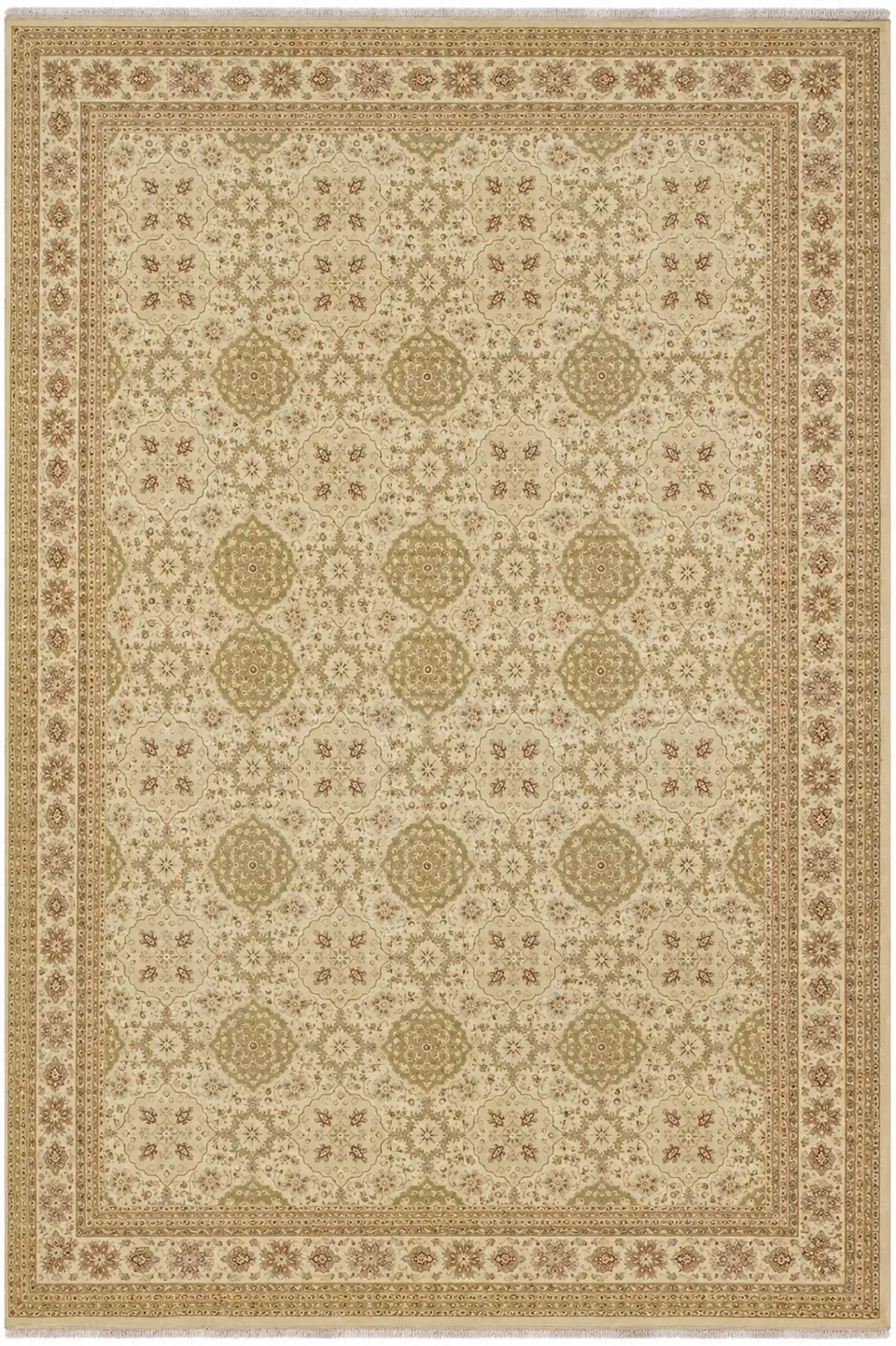
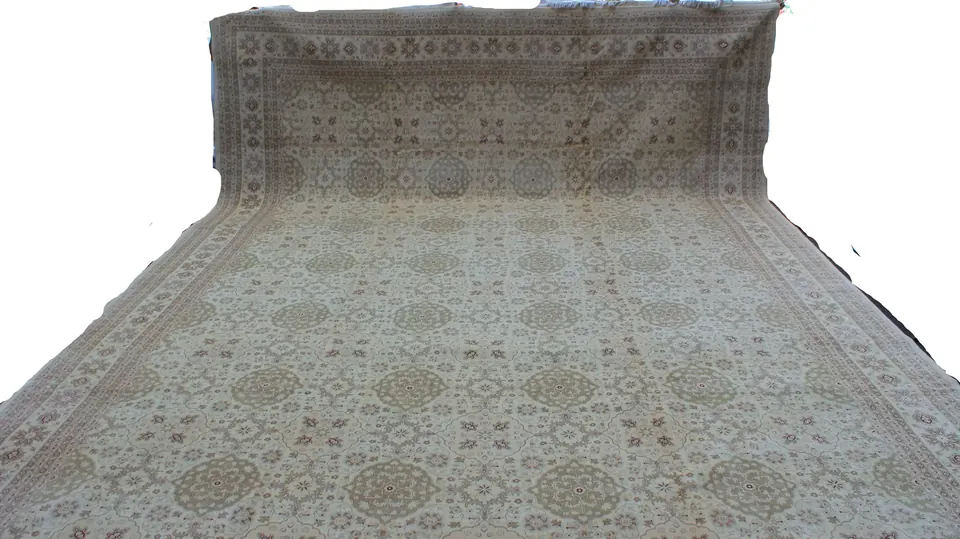
Ornate Dark Floral Persian Rug
24'7" × 16'2" · 16×25 ft
$13,000
 Oversize
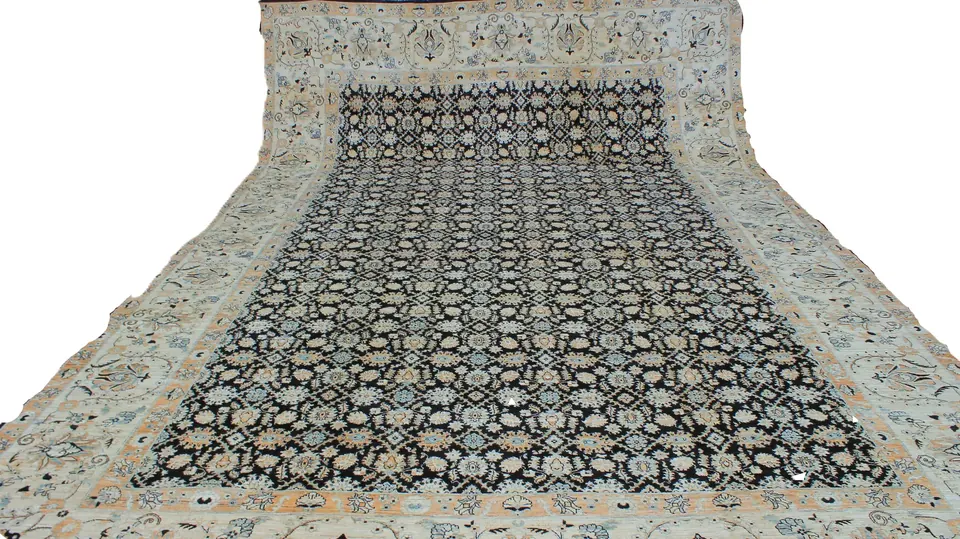
Ornate Ivory Persian Rug
23'7" × 16'1" · 16×24 ft
$12,500
Heriz Medallion Rug
12'1" × 8'10" · 9×12 ft
$2,150
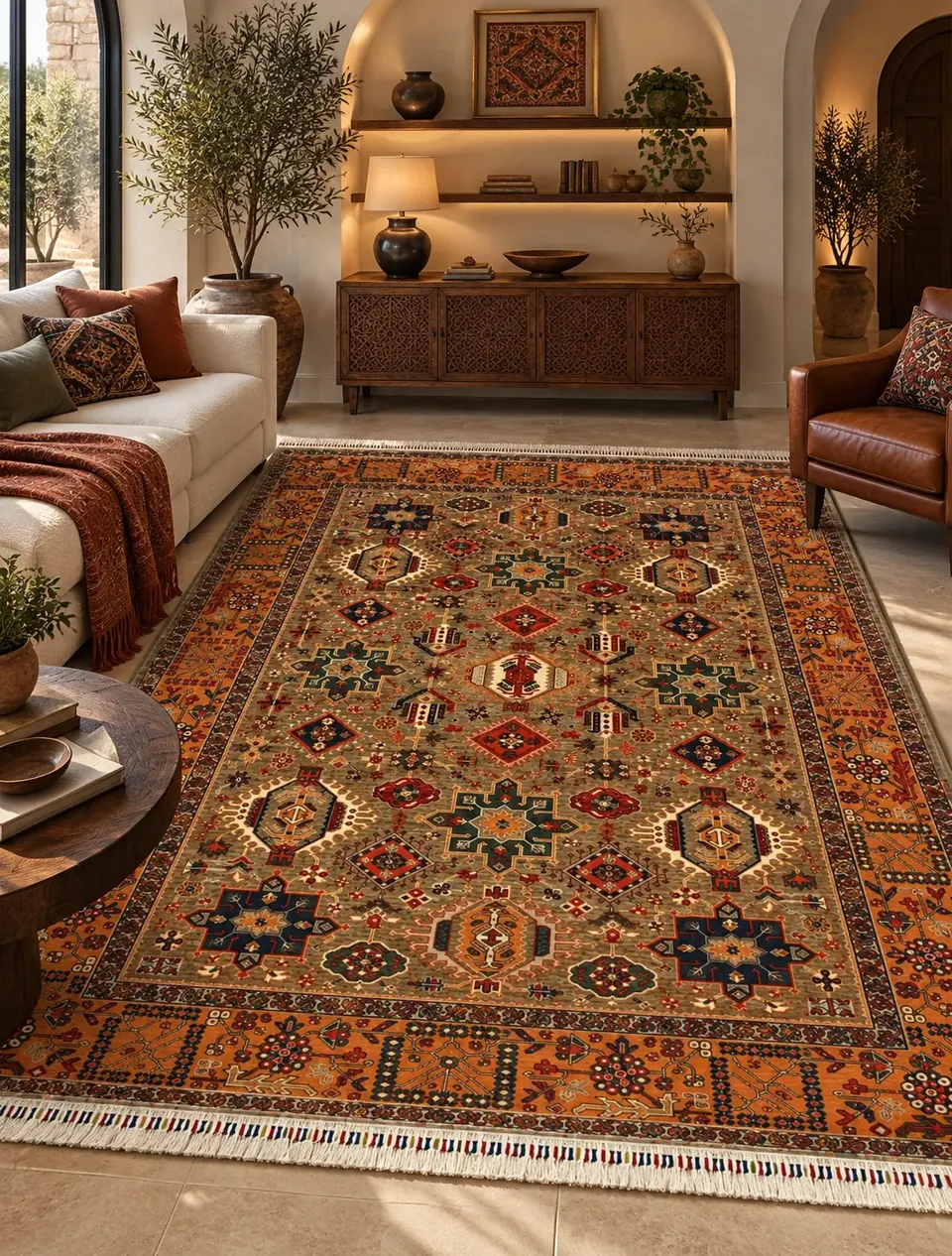
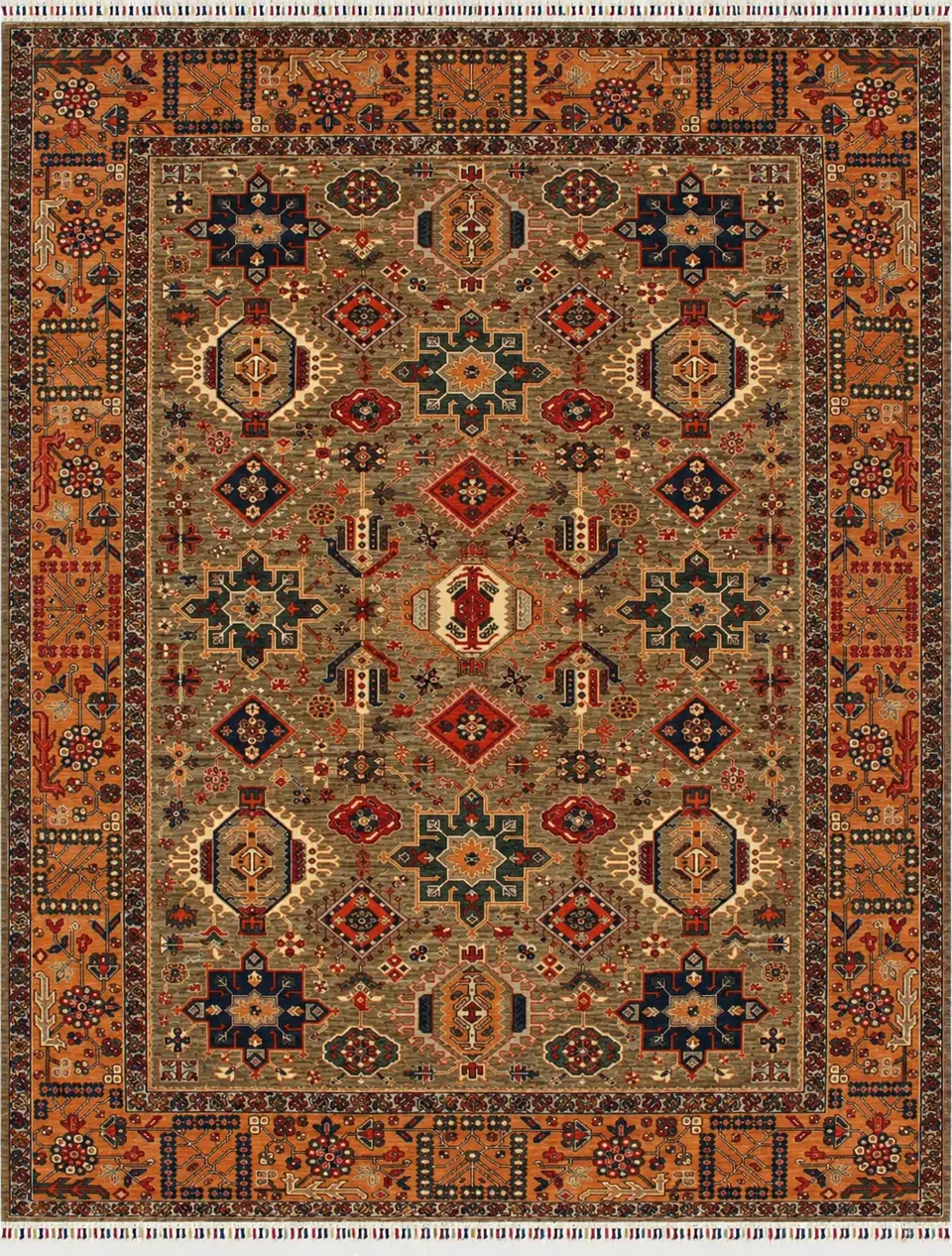
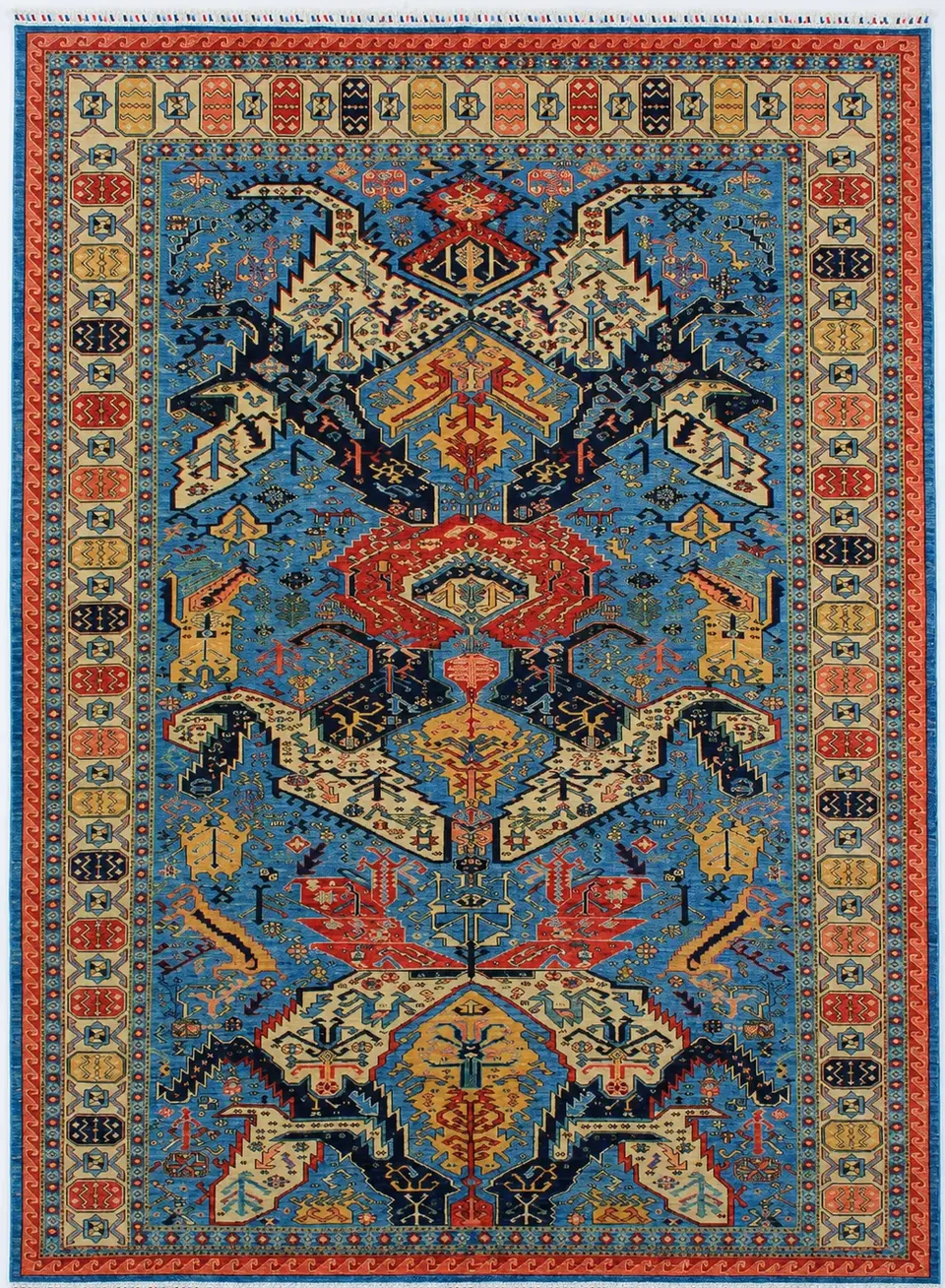
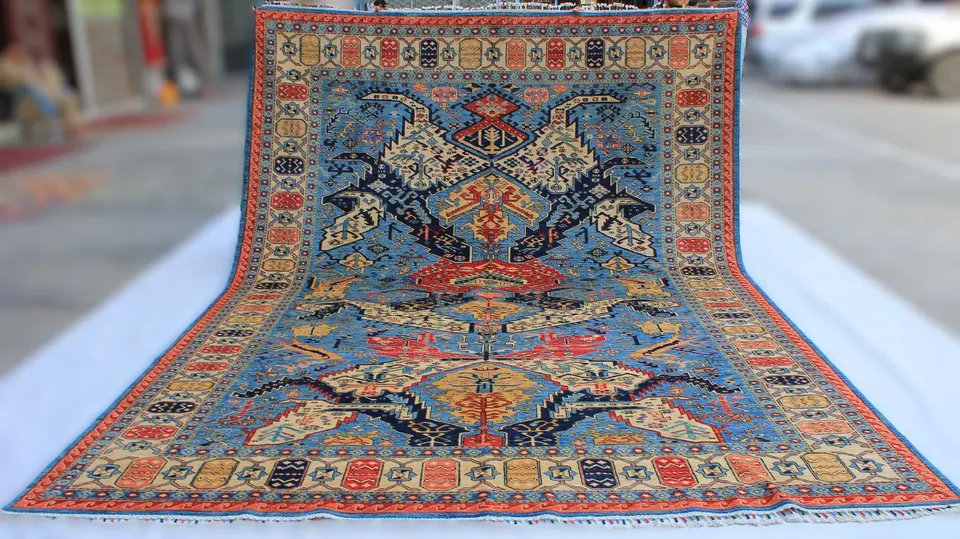
Ornate Heriz Rug with Fringed Borders
11'9" × 8'10" · 9×12 ft
$2,049
Keep reading: How to choose a rug size · Caring for wool rugs